A fresh coat of paint is one of the most noticeable ways to refresh a home’s appearance, but the process behind a lasting, professional-quality paint job involves far more than simply choosing a color and applying it. Surface preparation, product selection, and application technique all play a role in how well a paint job holds up over time, particularly in a climate like Riverside’s, where homes experience intense summer sun exposure that can affect paint durability. Understanding what goes into a quality interior or exterior painting project helps homeowners in the Magnolia Center neighborhood set realistic expectations and recognize good craftsmanship.
The Preparation Stage Is Where Quality Begins
Experienced Painters Magnolia Center consistently point to surface preparation as the single most important factor in how long a paint job lasts. Preparation typically includes:
- Cleaning the surface to remove dirt, dust, mildew, or chalky residue that would otherwise prevent paint from adhering properly
- Scraping and sanding any areas of peeling or flaking paint to create a smooth, stable surface
- Repairing cracks, holes, or damaged trim before painting begins, since paint will not hide underlying surface problems
- Priming bare wood, stucco, or repaired areas to ensure even paint absorption and better adhesion
- Masking and protecting areas that shouldn’t be painted, including trim, windows, fixtures, and landscaping
Skipping or rushing through preparation is one of the most common reasons a paint job fails prematurely, with peeling, blistering, or uneven color appearing within a year or two rather than lasting the better part of a decade.
Interior Versus Exterior Painting Considerations
While the fundamentals of good preparation apply to both, interior and exterior painting projects involve some distinct considerations.
Interior painting typically focuses on factors like proper ventilation during application, selecting paint sheens appropriate for each room’s function (higher sheens for kitchens and bathrooms where moisture and cleaning are frequent, flatter finishes for living areas and bedrooms), and careful attention to trim, ceiling lines, and detail work that significantly affects the finished appearance.
Exterior painting has to contend with weather exposure, UV degradation, and the specific surface materials common to a home’s exterior, whether that’s stucco, wood siding, or trim. In Riverside’s climate, with intense summer heat and strong UV exposure, exterior paint products need to be selected with sun resistance and temperature tolerance in mind to avoid premature fading or cracking.
How Climate Affects Paint Performance in Riverside
Riverside’s hot, dry climate creates specific challenges for exterior paint durability. Prolonged UV exposure can cause paint to fade and lose its protective properties faster than in milder climates, while extreme summer heat can affect how paint cures if applied under direct sun during the hottest part of the day. Many painting professionals recommend scheduling exterior work during cooler parts of the day, or during more moderate seasons, to allow paint to cure properly and achieve the best long-term adhesion.
Common Questions About Residential Painting
How long does a quality paint job typically last?
Exterior paint jobs generally last anywhere from seven to ten years with quality materials and proper preparation, though intense sun exposure can shorten that timeline somewhat. Interior paint tends to last even longer, often a decade or more, since it isn’t subjected to the same weather exposure, though high-traffic areas may need touch-ups sooner.
What causes paint to peel or blister?
Peeling and blistering are most commonly caused by inadequate surface preparation, moisture trapped beneath the paint layer, or applying paint over a surface that wasn’t properly primed. In some cases, applying paint in temperatures outside the manufacturer’s recommended range can also lead to adhesion problems.
How many coats of paint are typically needed?
This depends on the surface condition and the color change involved. A single coat is sometimes sufficient when applying a similar color over a well-prepared surface, but two coats are standard for most projects, particularly when covering a significantly different color or when working with bare or repaired surfaces that absorb paint unevenly.
What’s the difference between paint sheens?
Paint sheen refers to how glossy or matte the finished surface appears, ranging from flat or matte finishes, which hide surface imperfections well but are less washable, to satin and semi-gloss finishes, which are more durable and easier to clean, making them popular choices for trim, doors, and high-moisture areas like kitchens and bathrooms.
Trim, Doors, and Accent Details
Trim, front doors, and other accent features offer an opportunity to add visual interest to a home without repainting the entire exterior in a bold color. Many homeowners in Magnolia Center choose a complementary or contrasting color for these smaller elements, which can highlight architectural details and give a home a more finished, intentional appearance. Because trim and doors are handled at close range and often catch more direct attention than broad wall surfaces, extra care in surface preparation and clean line work in these areas tends to have an outsized impact on how polished the overall project looks.
Stucco-Specific Painting Considerations
Many homes throughout Riverside, including those in Magnolia Center, feature stucco exteriors, which require somewhat different preparation than wood or composite siding. Stucco is porous and can develop small hairline cracks over time as the material naturally expands and contracts with temperature changes. Before painting, these cracks typically need to be filled and, in some cases, treated with a flexible patching compound designed to move with the stucco rather than cracking again shortly after repair. Because stucco absorbs paint differently than smoother surfaces, it also generally requires a slightly higher volume of paint to achieve full, even coverage compared to a flat wood or composite surface of the same size.
Signs a Home May Be Due for New Paint
Homeowners don’t need professional training to recognize when paint is due for renewal. Common indicators include fading or chalking, where rubbing a hand across the surface leaves a powdery residue, visible cracking or peeling, particularly around trim, windows, and areas exposed to direct sun, and color that has become noticeably uneven or blotchy compared to when it was originally applied.
Choosing Products That Match the Project
Not all paint products are created equal, and selecting the right type for a given surface and climate significantly affects longevity. Higher-quality paints generally contain more solid content, which translates to better coverage, more durable finishes, and improved resistance to fading. For exterior work in a sun-intensive climate like Riverside’s, products specifically formulated with UV-resistant additives tend to hold their color and integrity longer than standard formulations.
Understanding What Makes Up Quality Paint
Not all paint products are formulated the same way, and understanding the basic components can help homeowners make more informed choices. Paint is generally composed of pigments that provide color and opacity, a binder or resin that holds the pigment together and allows it to adhere to a surface, and a carrier or solvent that keeps the mixture workable during application before evaporating as the paint dries and cures. Higher-quality paints typically contain a greater concentration of pigment and resin solids, which translates into better coverage, richer color retention, and a more durable finish that resists fading and wear over a longer period compared to lower-grade formulations.
Choosing Colors That Work With a Home’s Setting
Color selection is one of the more personal aspects of a painting project, but a few practical considerations can help guide the decision. Homes in established neighborhoods often benefit from colors that complement the architectural style of the house, whether that means highlighting original design details or creating a fresh, updated look that still feels appropriate to the setting. Lighting also plays a significant role, since colors can appear noticeably different under direct Riverside sunlight compared to how they look on a paint chip indoors, which is why testing sample patches directly on the home’s exterior, and observing them at different times of day, is generally a worthwhile step before committing to a full-scale color choice.
Interior Ventilation and Application Considerations
For interior projects, proper ventilation during and after painting matters both for air quality and for how evenly the paint cures. Adequate airflow helps paint dry at a consistent rate, reducing the risk of uneven sheen or visible lap marks where wet and partially dried paint overlap. Many professional painters also plan application sequencing carefully, working in a logical order through a room or home, to maintain a consistent wet edge and avoid the visible seams that can occur when paint is allowed to dry partially before adjacent sections are completed.
What a Professional Approach Looks Like
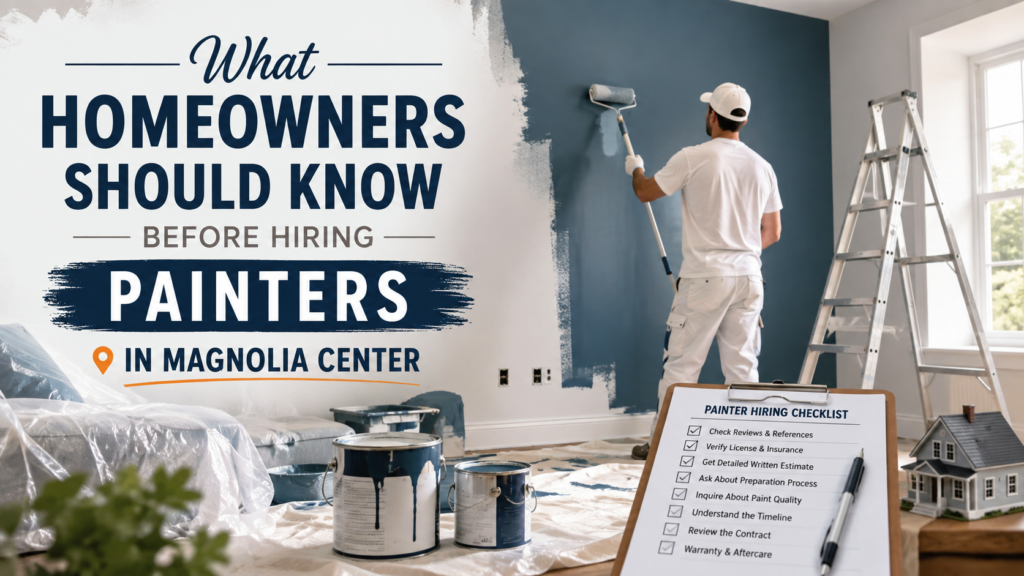
A thorough, professional painting process typically includes a detailed assessment of the surfaces to be painted, careful surface preparation tailored to the specific condition found, proper masking and protection of surrounding areas, and quality control checks throughout application to ensure even coverage and clean lines. Homeowners evaluating painters in Magnolia Center benefit from asking about each of these stages specifically, since the preparation and product selection steps often make the biggest difference in how long a paint job ultimately lasts.